Build Faster WordPress Without
Sacrificing Control
Peek inside Buddd’s process and discover how it streamlines WordPress development, giving you a head start without locking you out of the code.
Stay in Control
Dax code, you lead. He will write implementation notes so you can review them and stay in control.
Understands design context
It understands the macro and create a game plan to meet the project scope.
Writes scalable code
Output is clean, semantic, and built with maintainability in mind, not just to “look right”.

From figma to code. Fast.
Custom WordPress. Done Right.
Dax generates 80% production-ready WordPress sites using Advanced Custom Fields (ACF) blocks in the Gutenberg editor,
no bloated themes, no mystery code. Every block is modular, reusable, and easy to maintain.
Think of it as having your own WP dev who writes lean, semantic PHP and clean Tailwind, wrapping it all in a scalable template architecture.
- FSE theme, follows latest WordPress standars.
- ACF Blocks for structured, editable blocks.
- Reusable components for faster future builds.
- Custom Post Types Structure and taxonomies that scale
- Clean codebase your team can actually take to prod
How Buddd is different
Speed up your Figma-to-code workflow. Generate clean, scalable code from designs so your devs can skip the setup and start building faster.
Designer Agnostic
Each designer works differently, and that’s okay! Unlike other tools, Buddd doesn’t force you into rigid rules or strict file structures. We embrace the way your designers naturally organize their Figma files (though clean files are always a plus). Dax, our dev agent, reads designs like a human would, so your workflow stays flexible, fast, and frustration-free.
Thinks before it codes
Before generating code, Dax reviews your design and drafts structured implementation notes. You get a clear blueprint of how everything will be built, so you can review, tweak, or add your own notes before a single line of code is written. This means less guesswork, fewer rewrites, and a codebase that matches your vision from the start.
Code that scales
Dax automatically identifies elements like buttons, cards, and other components that appear throughout your design—so you don’t have to rebuild the same thing twice. This keeps your codebase lean, consistent, and easier to scale as your project grows.
Smart Site Structure
Dax recognizes when your project needs Custom Post Types and taxonomies, and registers them automatically. He also creates the ACF fields for those CPTs, so everything is set up for a smooth, organized backend experience. This means your content team gets a WordPress setup that feels intuitive, scalable, and ready to use from day one.

Designer Agnostic
Each designer works differently, and that’s okay! Unlike other tools, Buddd doesn’t force you into rigid rules or strict file structures. We embrace the way your designers naturally organize their Figma files (though clean files are always a plus). Dax, our dev agent, reads designs like a human would, so your workflow stays flexible, fast, and frustration-free.
Thinks before it codes
Before generating code, Dax reviews your design and drafts structured implementation notes. You get a clear blueprint of how everything will be built, so you can review, tweak, or add your own notes before a single line of code is written. This means less guesswork, fewer rewrites, and a codebase that matches your vision from the start.
Code that scales
Dax automatically identifies elements like buttons, cards, and other components that appear throughout your design—so you don’t have to rebuild the same thing twice. This keeps your codebase lean, consistent, and easier to scale as your project grows.
Smart Site Structure
Dax recognizes when your project needs Custom Post Types and taxonomies, and registers them automatically. He also creates the ACF fields for those CPTs, so everything is set up for a smooth, organized backend experience. This means your content team gets a WordPress setup that feels intuitive, scalable, and ready to use from day one.
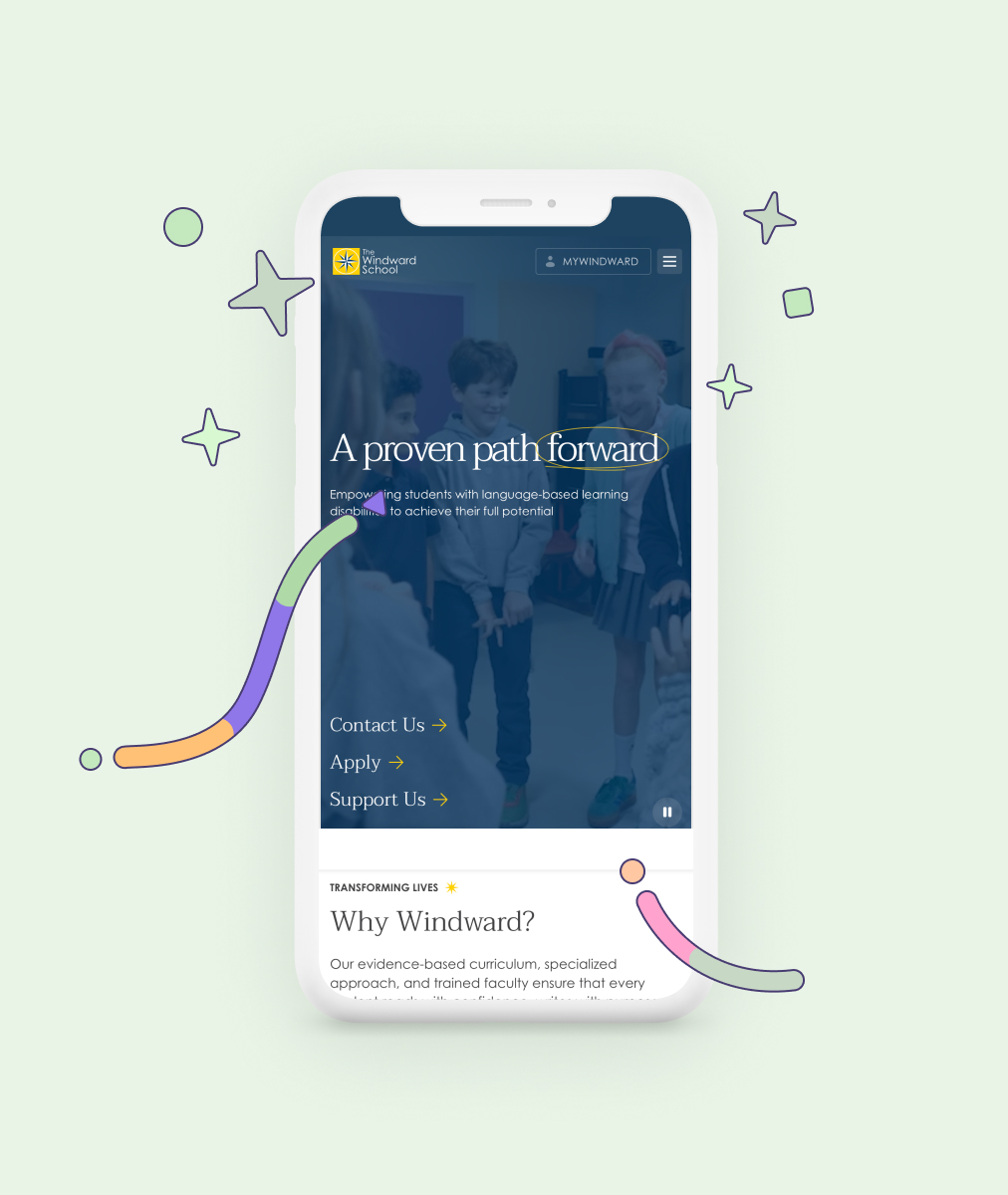
BigdROP Beta Story
Live Client Build, Delivered 4× Faster
As an early partner, BigDrop used Buddd to accelerate development across four different client projects. On average, their team cut build times by more than 65%. By generating custom WordPress components directly from Figma designs, and automating setup with CPTs, ACF fields, and structured code. Buddd let their developers skip the repetitive groundwork and focus on bringing the creative vision to life.
The result: faster launches, fewer revisions, and consistent quality across every build.
What’s Next
Expanding Beyond WordPress
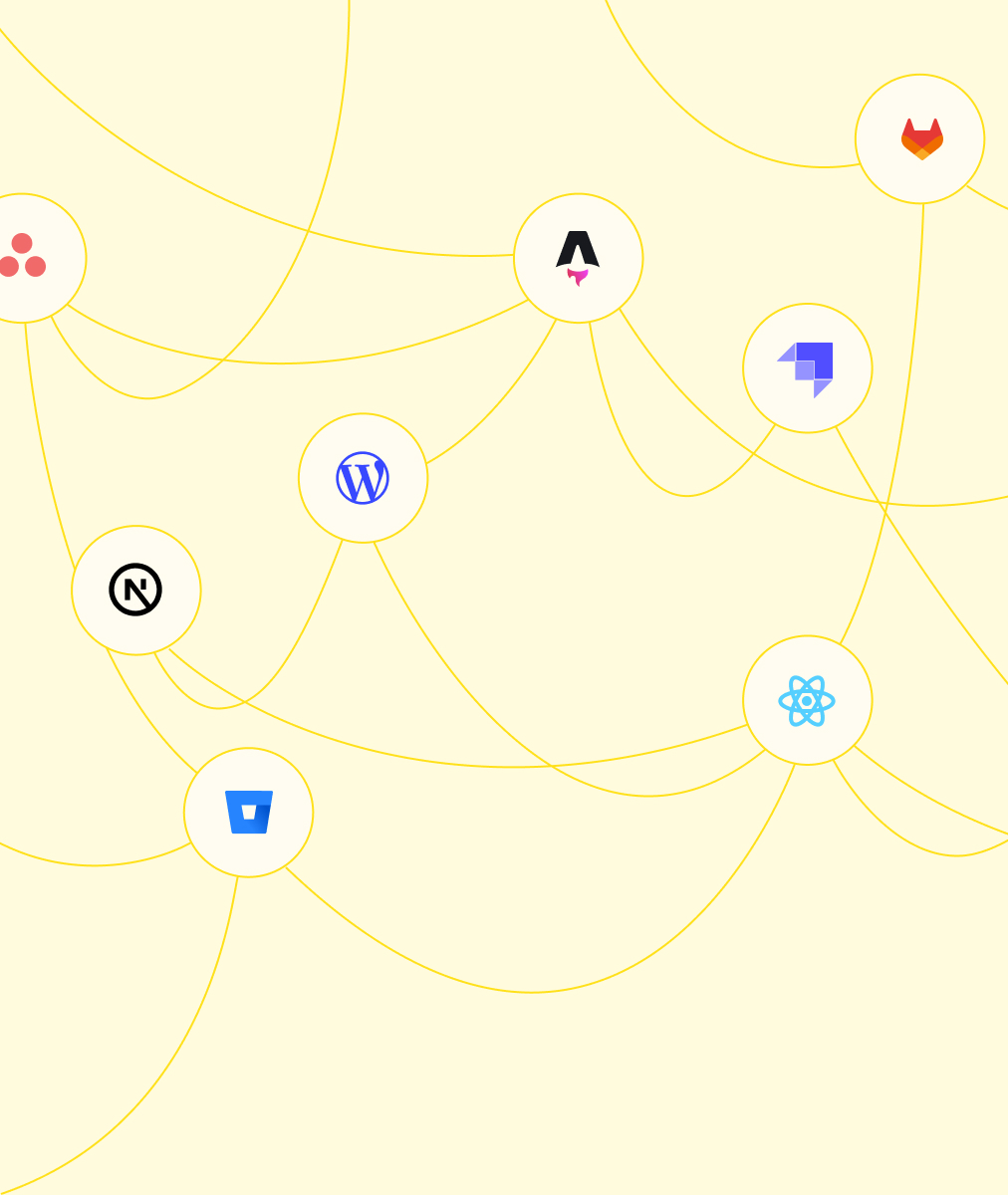
Buddd currently supports WordPress, Strapi, React, and Astro. Next up, we’re adding compatibility with leading CMS platforms like Contentful, and Storyblok, along with modern frontend frameworks such as Next.js. Our goal: empower developers to integrate Buddd’s agents seamlessly across diverse tech stacks.
So no matter where your projects live, Buddd will be ready to speed them up.

“With Buddd handling the busywork, I finally get to focus on the stuff that matters.”
FAQs
Buddd turns your Figma designs into clean, WordPress code. It creates custom Gutenberg blocks, ACF fields, Tailwind setup, and even structured implementation notes—so your team starts with a solid foundation instead of a blank page.
No. Unlike other tools, Buddd adapts to your designers’ workflow. Dax (our dev agent) can interpret designs like a human would. Of course, clean and well-structured files always help.
On average, agencies using Buddd have cut development time by more than 65%. That’s roughly 4× faster from design to functional WordPress build.
Buddd was built for developers, not against them. The output follows best practices, with scalable structure and clear organization. It’s not “mystery code”—it’s a solid foundation your devs can extend, customize, and maintain without frustration.
Yes, agencies are already using Buddd on real client work. It’s designed to plug into production workflows and save dev teams from repetitive setup tasks
Not at all. Buddd takes care of the repetitive groundwork—setting up blocks, fields, and structure—so developers can focus on higher-value tasks: solving problems, refining experiences, and shipping faster.